From Anti-Aging to Regeneration
For decades, the esthetics industry has focused on correcting the visible signs of aging. Treatments were designed to soften wrinkles, brighten pigmentation, improve firmness, and restore a more youthful appearance. While those goals remain important, the conversation is beginning to shift. Today, many skincare professionals are asking a different question: How can we support the skin so it functions better in the first place?
This new philosophy has given rise to regenerative esthetics—an approach centered on strengthening the skin’s natural ability to repair, regenerate, and maintain itself over time. Rather than simply treating symptoms of aging, regenerative treatments aim to optimize skin health at the cellular level by supporting collagen production, improving communication between cells, reducing inflammation, and encouraging healthier tissue function.
As client interest in long-term skin health continues to grow, regenerative esthetics is quickly becoming one of the most exciting frontiers in professional skincare.
Exosomes, PDRN, Growth Factors & Beyond
Much of the excitement surrounding regenerative esthetics stems from the rapid evolution of advanced ingredients. Exosomes, PDRN (polydeoxyribonucleotide), peptides, growth factors, and other bioactive technologies are changing the way professionals approach skin rejuvenation.
Exosomes are being explored for their ability to support cellular communication and recovery, particularly following advanced treatments. PDRN, often derived from salmon DNA technology, has gained significant attention for its potential to encourage tissue repair and collagen production while supporting healthier-looking skin. Growth factors and bioactive peptides continue to evolve, offering new ways to improve firmness, elasticity, hydration, and overall skin quality.
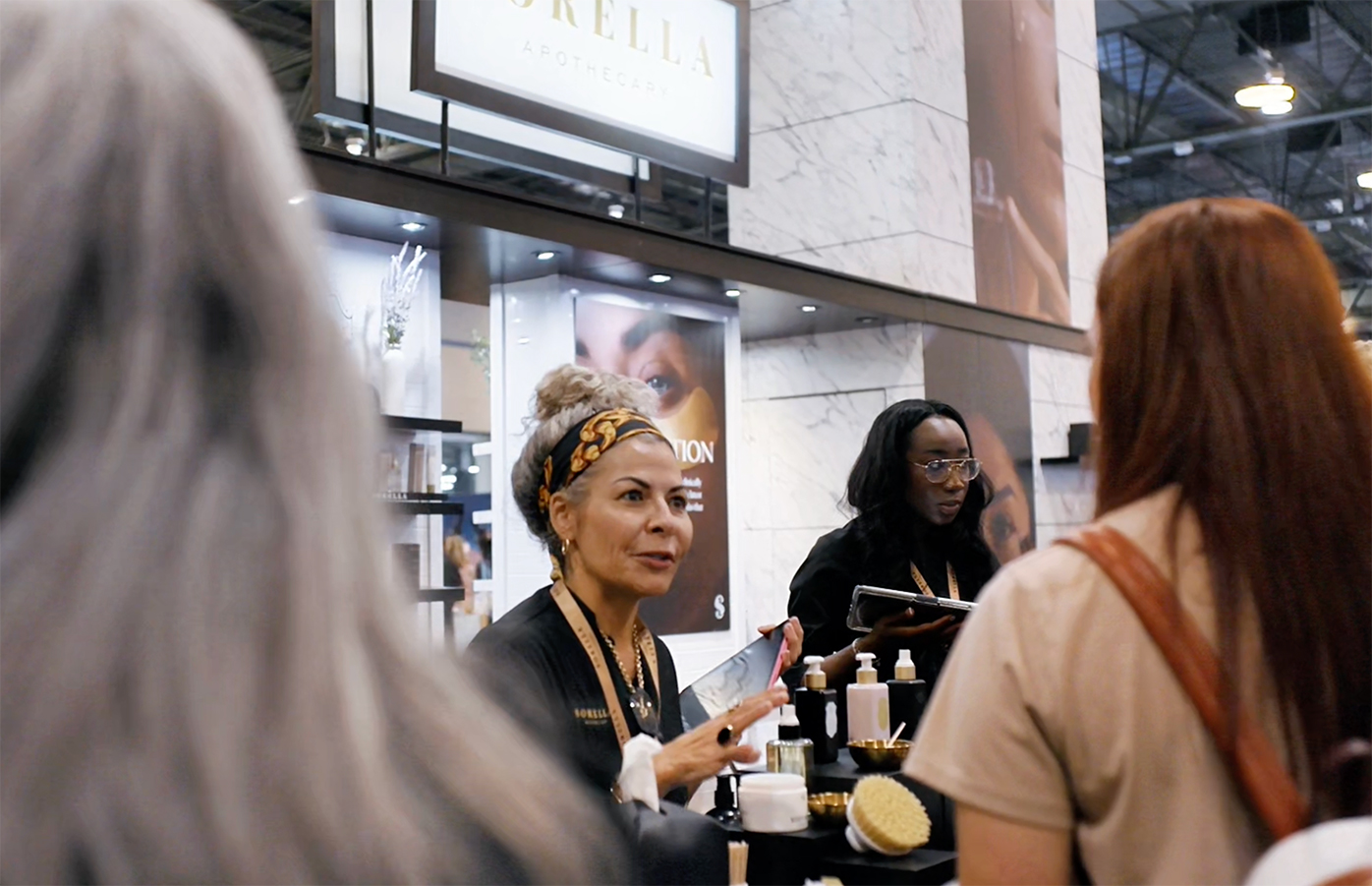
Attendees at the International Congress of Esthetics & Spa Long Beach will have the opportunity to learn about these innovations firsthand. Brands such as 360Exosomes, ABio Materials USA, Rejuran USA, Skin Fitness Therapy, Viktoria DeAnn Peptide Cosmeceuticals, MTS US, Dermaesthetics Beverly Hills, Dermodality Skin Solutions, NanoStamp360, and Bio Jouvance Paris are showcasing many of the regenerative technologies that are shaping the future of professional skincare.
Supporting the Skin’s Natural Healing Response
One of the defining characteristics of regenerative esthetics is the emphasis on working with the skin rather than against it.
Instead of relying solely on aggressive correction, many treatment protocols are designed to support the skin’s own healing response. Barrier repair, inflammation management, collagen stimulation, improved circulation, and optimized cellular function all work together to create healthier, stronger skin over time.
This philosophy is influencing everything from treatment planning to ingredient selection. Estheticians are increasingly combining regenerative ingredients with barrier-supportive formulations, personalized homecare, and carefully timed treatment protocols that respect the skin’s natural recovery process.
The result is a more balanced approach that often leads to improved treatment tolerance, longer-lasting outcomes, and healthier skin function beyond the treatment room.
Pairing Regenerative Treatments with Technology
Regenerative ingredients become even more powerful when combined with the right technology.
Advanced delivery systems such as nano-infusion, microchanneling, microneedling, LED light therapy, cold plasma, and oxygen-based treatments are helping professionals enhance ingredient absorption while supporting the skin’s natural regenerative processes.
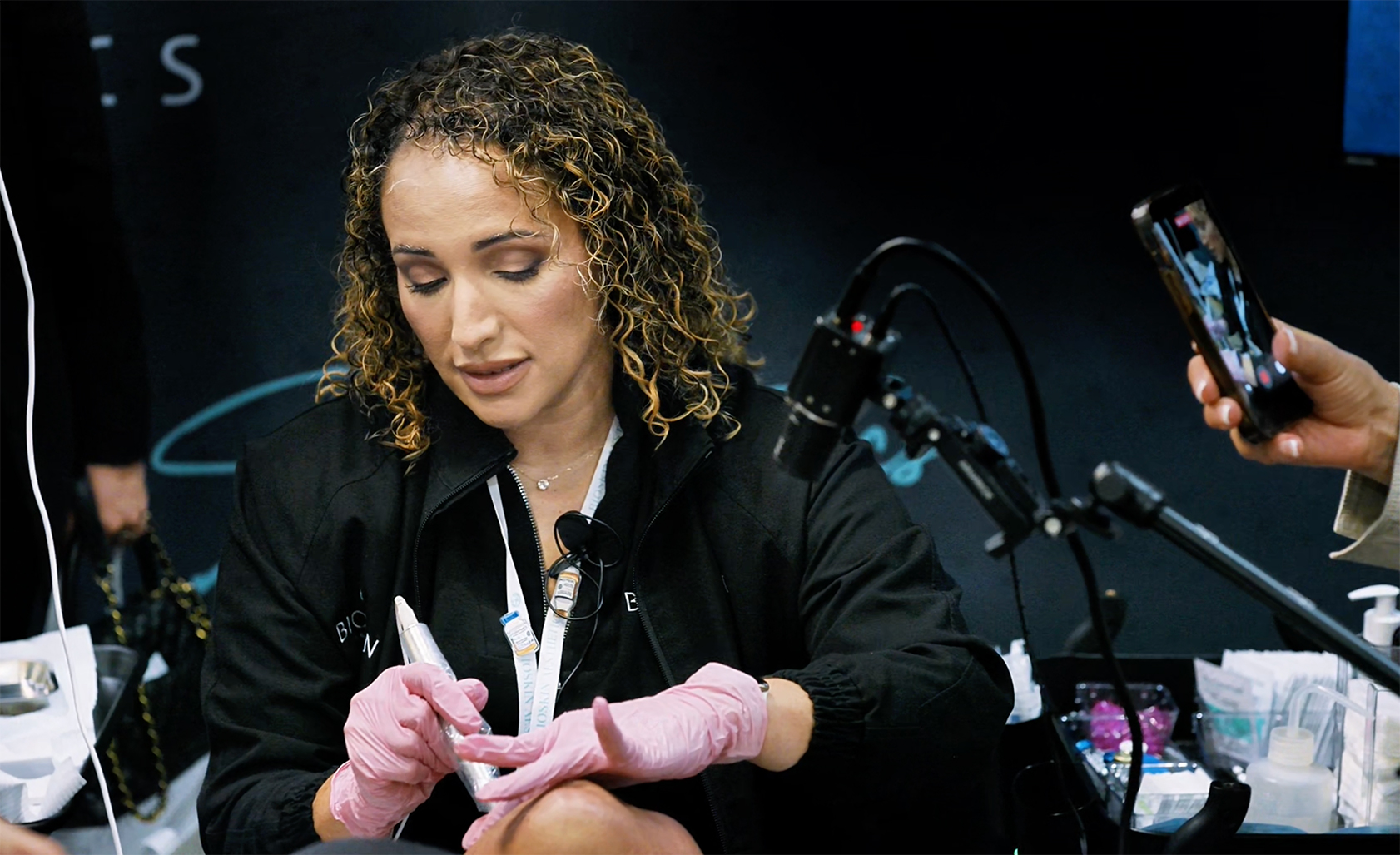
Many exhibitors and educators at Long Beach are demonstrating these combination approaches. Devices from companies including Rezenerate NanoFacial, Procell Therapies, SQT Beauty USA, Celluma, LightStim, Hydrafacial, and Zemits are being integrated with regenerative ingredients to create treatment protocols that address both immediate cosmetic concerns and long-term skin health.
Rather than replacing traditional skincare, these technologies allow estheticians to customize treatments that are smarter, more targeted, and better aligned with each client’s individual goals.
Where the Industry Is Headed
Regenerative esthetics is still evolving, but one thing is becoming increasingly clear: the future of professional skincare is focused less on reversing time and more on helping skin function at its highest potential.
As research continues to advance, estheticians can expect to see even greater integration between biotechnology, regenerative ingredients, advanced delivery systems, and personalized treatment planning. The industry is moving toward protocols that prioritize prevention, resilience, and long-term skin performance alongside visible aesthetic improvements.
The International Congress of Esthetics & Spa Long Beach offers a unique opportunity to experience this evolution firsthand. Through hands-on education, live demonstrations, and conversations with leading brands and educators, attendees can explore the latest innovations that are redefining what’s possible in professional skincare.
For estheticians committed to staying at the forefront of the industry, regenerative esthetics represents more than a trend—it represents the next chapter of professional skin health. By understanding these emerging technologies today, practitioners will be better equipped to deliver the kind of thoughtful, science-backed care that tomorrow’s clients are already beginning to expect.