Building a successful career in esthetics requires more than completing an initial licensing program.
The professional skincare industry is constantly evolving, with new research, technologies, treatment approaches, and business practices influencing how estheticians serve their clients.
For professionals who want to remain relevant and fulfilled throughout their careers, continuing education is an important investment.
However, education isn’t simply about collecting certifications or learning the latest trending treatment.
It’s about developing the knowledge, adaptability, and professional judgment necessary to build a career that lasts.
Whether you’re newly licensed or have spent decades in the treatment room, continued learning can help you navigate industry changes while remaining connected to your professional purpose.
Why Continuing Education Matters
Esthetics combines technical knowledge with practical experience.
Professionals must understand skin physiology, ingredients, treatment techniques, sanitation, contraindications, client communication, and the limitations of their scope of practice.
As the industry evolves, estheticians have opportunities to deepen their understanding of these subjects.
Continuing education can help professionals evaluate emerging techniques, refine existing skills, and recognize when additional training is necessary.
It also supports more informed decision-making.
Rather than adopting every new trend, educated practitioners can assess whether a treatment aligns with their professional standards, clientele, and business goals.
This ability to evaluate information critically becomes increasingly important as skincare trends spread rapidly through social media.
Building a Strong Educational Foundation
Before investing in advanced modalities, estheticians benefit from developing a strong understanding of foundational concepts.
These include skin anatomy and physiology, barrier function, ingredient knowledge, treatment planning, and client consultation.
A solid foundation makes it easier to understand more complex topics.
For example, an esthetician interested in advanced exfoliation should understand how different exfoliating approaches interact with the skin, what contraindications may apply, and how to evaluate client suitability.
Similarly, professionals interested in holistic treatments should understand both the intended purpose of a modality and the evidence supporting its use.
Foundational education is not something estheticians leave behind after becoming experienced.
It’s knowledge they continue refining throughout their careers.
Choosing Education That Supports Your Goals
With so many educational opportunities available, it can be difficult to determine where to invest your time and resources.
A useful starting point is identifying your professional goals.
Are you interested in specializing in acne management? Expanding your knowledge of age-management treatments? Improving your business operations? Exploring education or consulting?
Your answers can help guide your continuing education decisions.
Rather than enrolling in every available course, consider developing a focused educational plan.
You might dedicate one period to improving consultation skills and another to exploring a specialized treatment approach.
When evaluating training, consider the educator’s qualifications, the depth of the curriculum, whether practical instruction is included, and how the information relates to your professional scope.
Education should support your development, not simply add another certificate to your collection.
Staying Current Without Chasing Every Trend
One of the challenges of working in a fast-moving industry is determining which developments deserve attention.
Social media frequently introduces new products, devices, ingredients, and treatment techniques.
While innovation can create valuable opportunities, not every trend is appropriate for every practice.
Continuing education helps estheticians distinguish between marketing claims and meaningful professional advancements.
It encourages practitioners to ask important questions.
What evidence supports this approach? What are its limitations? Does it require additional training? Is it appropriate for my clients?
Experienced professionals understand that longevity often depends on thoughtful adaptation rather than constant reinvention.
Staying current means remaining informed while maintaining professional standards.
Education Beyond Treatment Techniques
A lasting career in esthetics also requires business and interpersonal skills.
Independent practitioners may need education in financial management, pricing, marketing, retail strategies, and client retention.
Spa employees may benefit from leadership development, communication training, or opportunities to specialize.
Professionals interested in expanding beyond the treatment room might explore teaching, consulting, product development, or brand education.
These subjects are sometimes overlooked when discussing esthetician continuing education.
However, understanding how to manage a business, communicate effectively, and create sustainable professional opportunities can be just as important as technical training.
A well-rounded educational approach supports both professional competence and career flexibility.
Learning From Other Professionals
Formal education is only one part of professional development.
Conversations with experienced colleagues, educators, and other industry professionals can provide valuable perspectives.
An established esthetician might share lessons about building client trust over decades.
A newer professional may introduce an emerging technology or approach worth researching.
A brand educator might explain the reasoning behind a professional treatment protocol.
These interactions create opportunities to learn from real-world experiences.
They also remind estheticians that professional development doesn’t have to happen in isolation.
Make ICES Part of Your Educational Journey
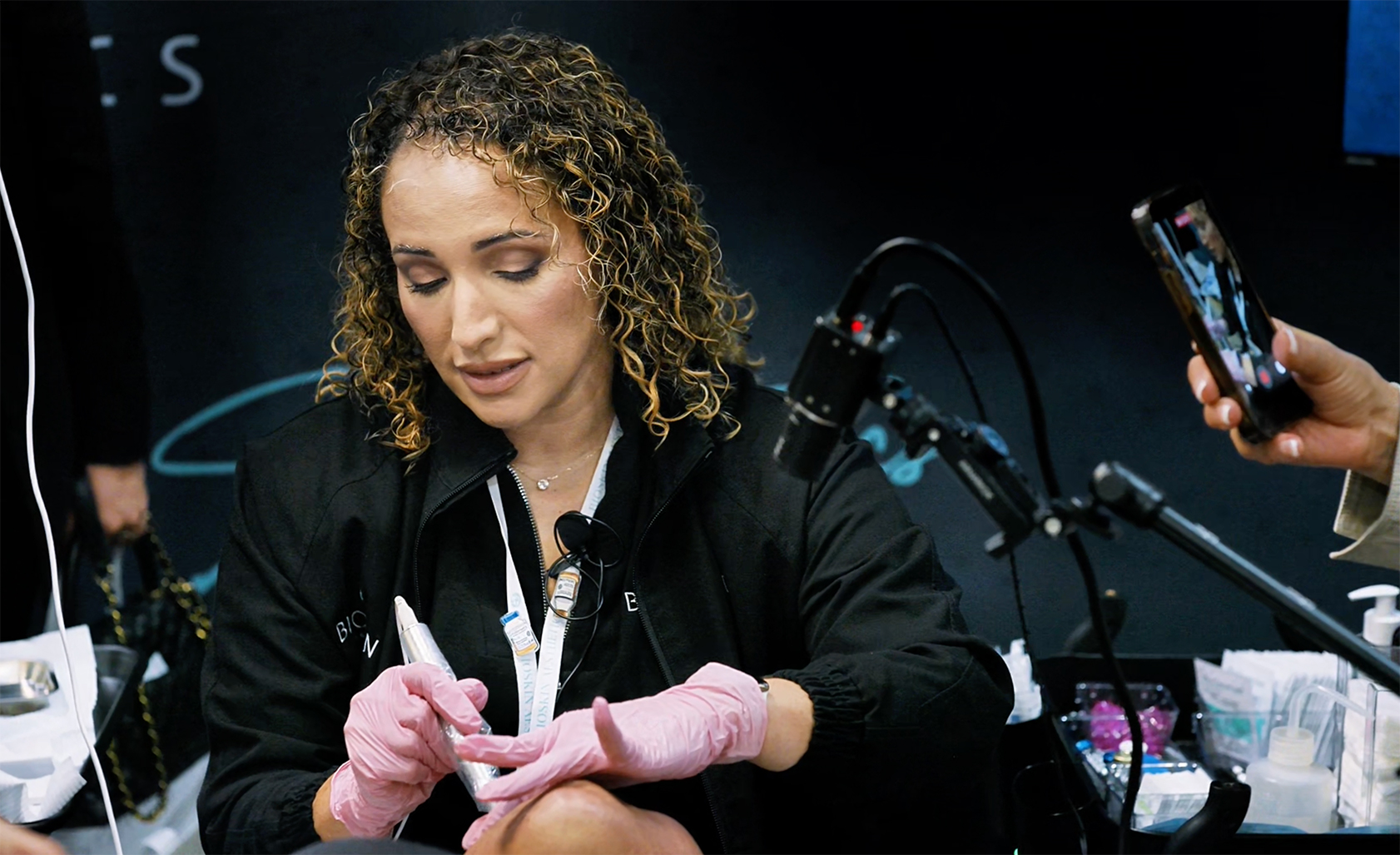
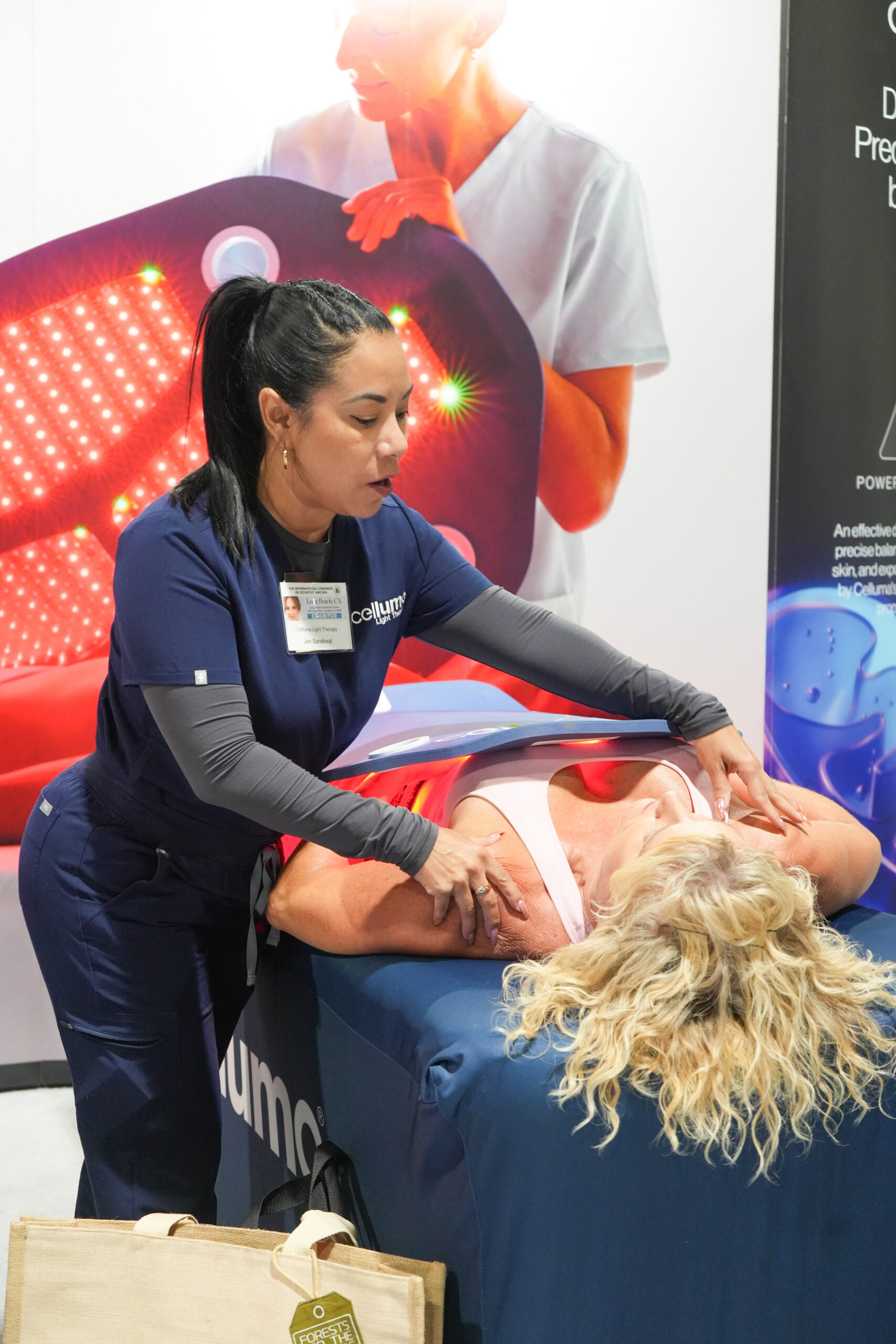
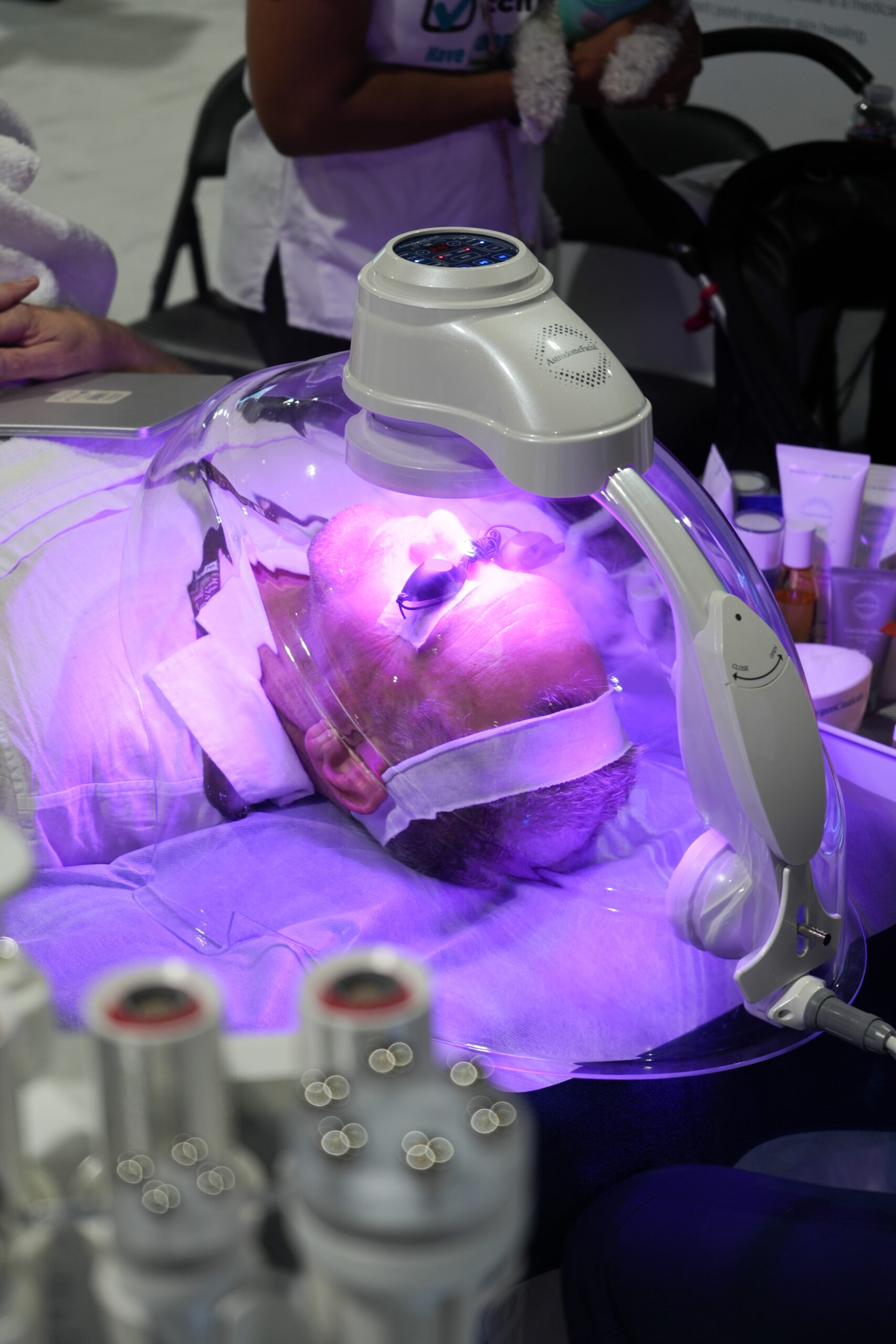
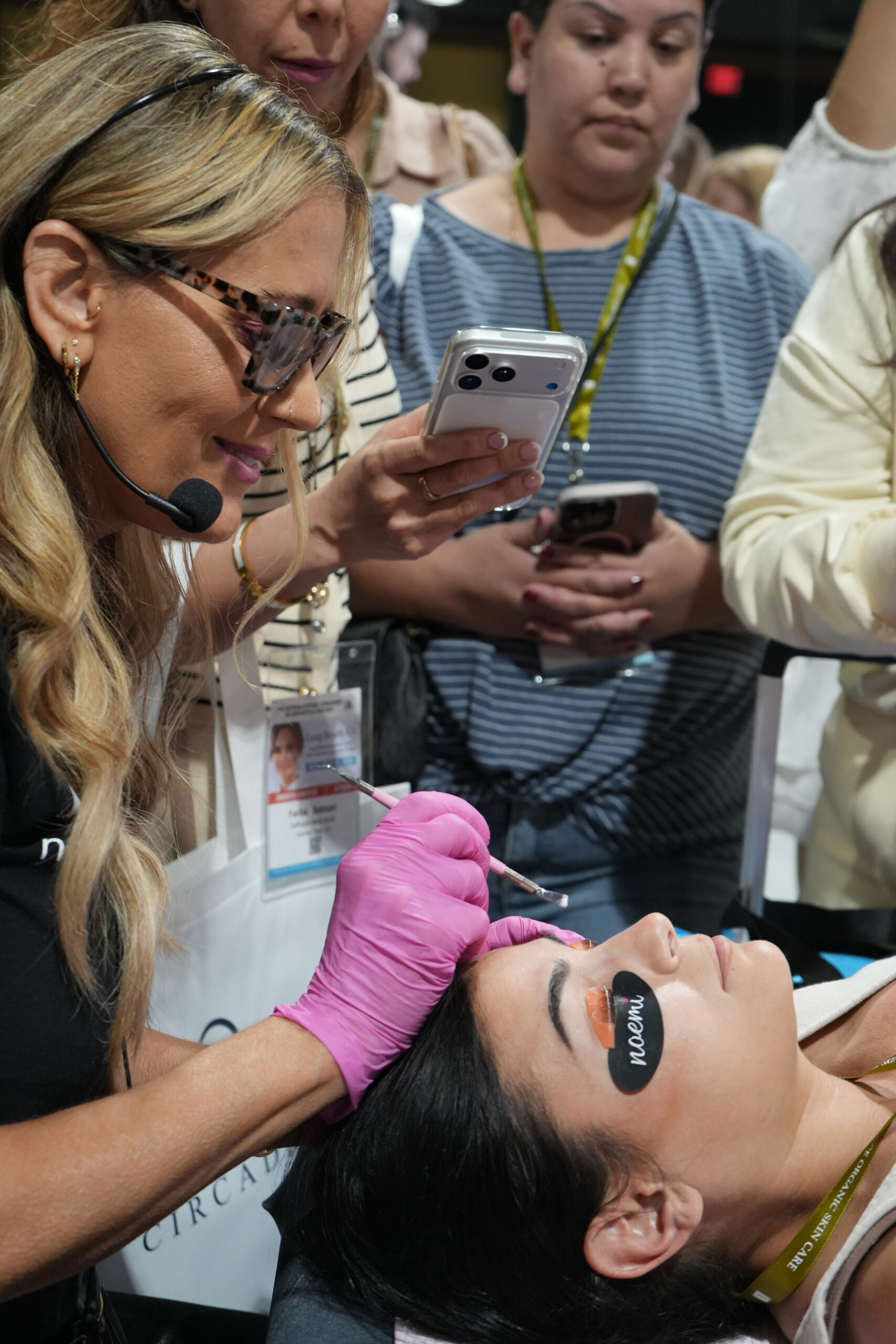
The International Congress of Esthetics and Spa provides opportunities for professional skincare education and industry connection throughout the year.
ICES visits Dallas, Long Beach, Philadelphia, and Fort Lauderdale, allowing attendees to choose the show that works best for their schedules and professional interests.
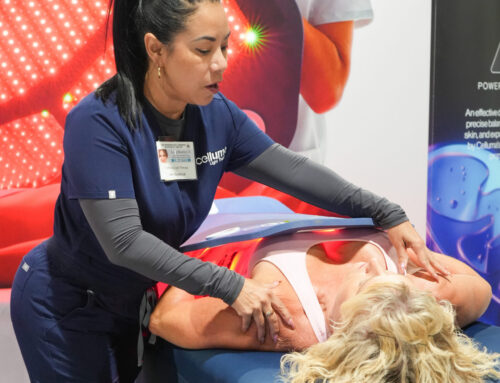
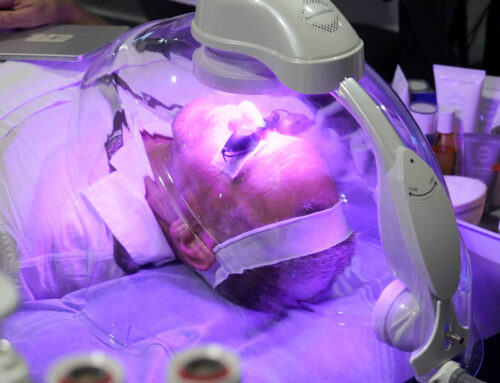
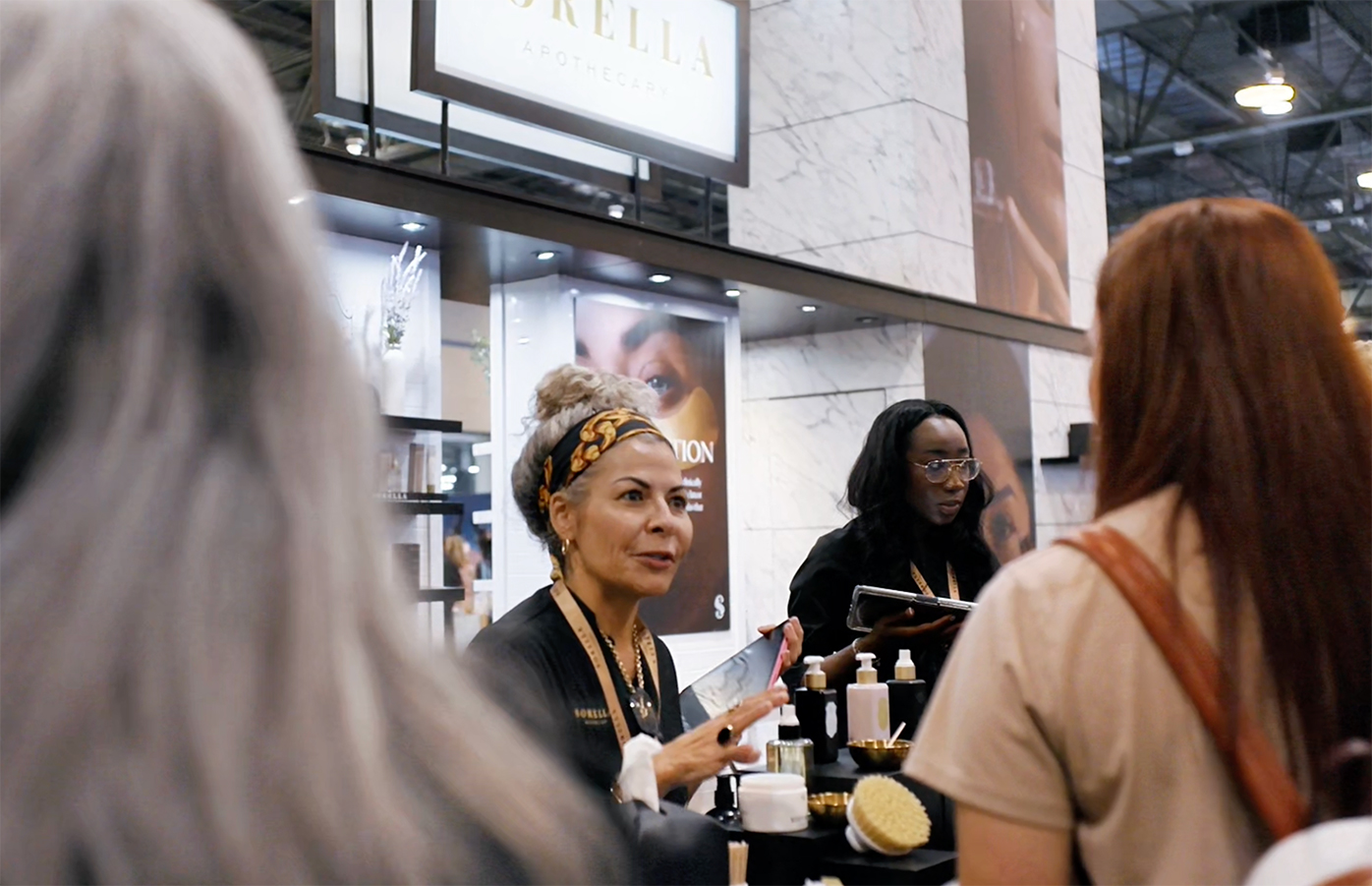
At each destination, estheticians can explore educational programming, discover professional skincare brands, and engage with others who share their commitment to the industry.
Attending a trade show can also help identify areas for future study.
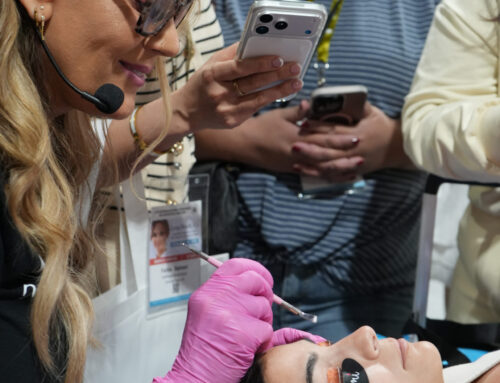
A demonstration might inspire you to pursue additional training, while a business class could introduce a strategy worth implementing.
By approaching the experience with clear goals, you can make continuing education a more intentional part of your career.
A Career Built on Curiosity
Professional longevity isn’t defined by how many treatments you offer or how frequently you change your services.
It’s built through experience, adaptability, strong professional relationships, and a willingness to continue learning.
The most valuable education often encourages estheticians to ask better questions, evaluate information thoughtfully, and remain open to new perspectives.
No matter how long you’ve worked in the industry, there is always something worth exploring.
Invest in the next chapter of your career. Visit SkincareShows.com to explore upcoming ICES events in Dallas, Long Beach, Philadelphia, and Fort Lauderdale and choose your next educational experience.