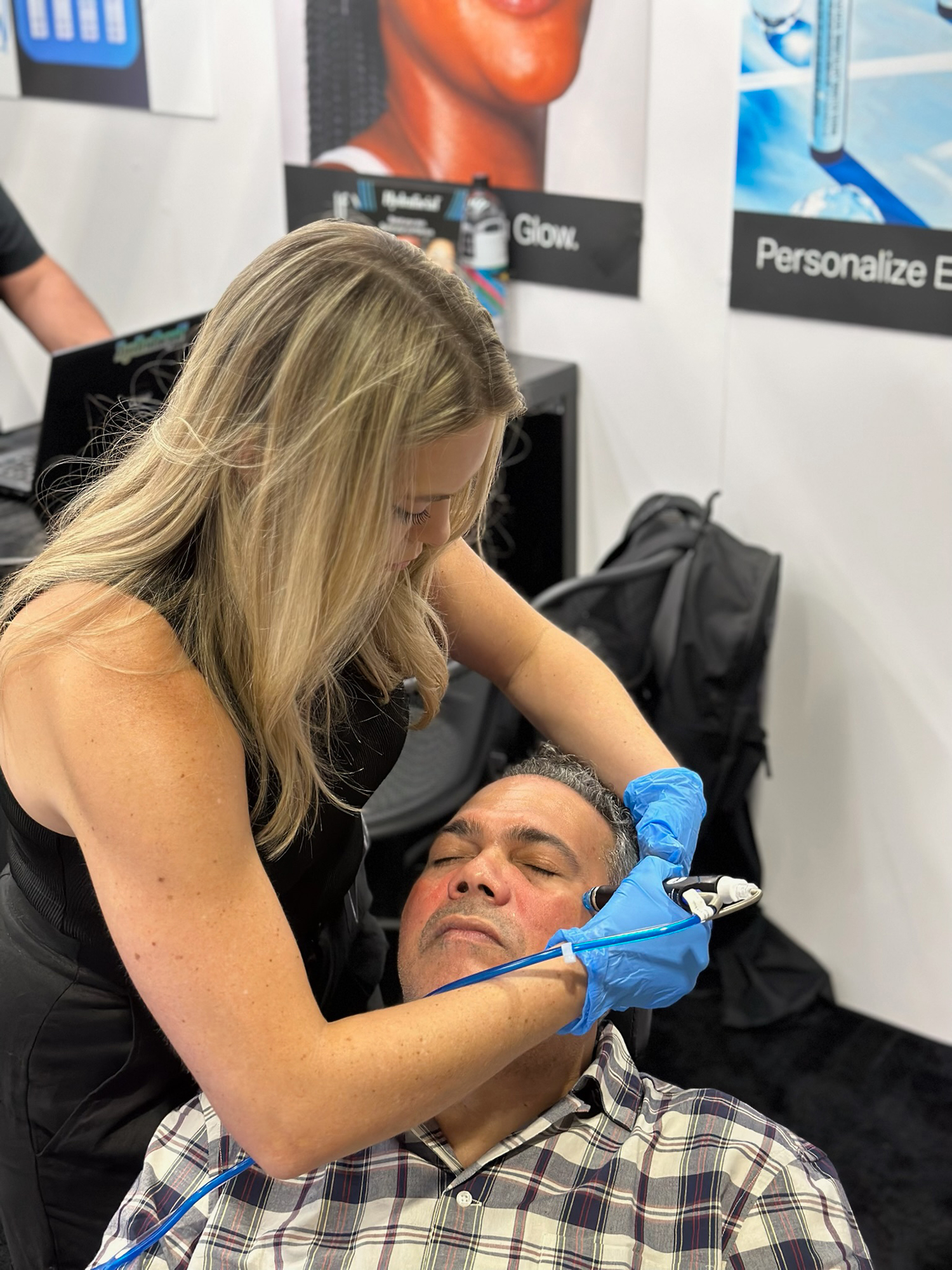
A Look Ahead from the ICES Skincare Show: Where Innovation Meets Esthetics
The International Congress of Esthetics & Spa (ICES) Skincare Shows have always been the heartbeat of professional skincare innovation, and 2026 is no exception. As estheticians, spa owners, and industry leaders gather across the country, one theme stands out on every tradeshow floor: a new era of ingredient intelligence.
This year, skincare science is all about combining regenerative technology with functional wellness, creating formulas that not only transform the skin but also support the body’s natural rhythm, repair, and resilience. Here are the top ingredient trends shaping the future of esthetics you’ll see debuting at the 2026 ICES Skincare Shows.
1. Exosomes and Stem Cell-Derived Peptides
Still the buzz of every ICES education session, exosomes remain at the forefront of regenerative skincare. These microscopic messengers derived from stem cells deliver growth factors and proteins that activate cellular repair and collagen synthesis. In 2026, expect brands to push exosome technology further with multi-peptide complexes designed to enhance communication between cells and optimize post-treatment recovery.
2. Salmon PDRN and DNA-Repair Complexes
Salmon DNA (PDRN) continues to rise as a powerhouse in advanced facials and microneedling treatments. Its naturally regenerative properties support tissue repair, hydration, and elasticity. At the upcoming ICES Skincare Shows, look for new hybrid formulations that combine PDRN with niacinamide, panthenol, and growth peptides for medical-grade results with spa-level sensorial experiences.
3. Adaptogenic and Functional Botanicals
The wellness crossover in esthetics is stronger than ever. Adaptogens like ashwagandha, reishi, and cordyceps are appearing in both topical and ingestible beauty formulations. These ingredients are prized for balancing the stress response in the skin, helping to calm inflammation and improve barrier resilience. Expect brands at ICES skincare shows, to highlight adaptogen-infused serums and masks that bridge the gap between inner wellness and outer glow.
4. Barrier Biology and Skin Microbiome Focus
2026 marks a shift from exfoliation to restoration. With the rise of corneotherapy and skin microbiome research, brands are reformulating around barrier-supportive ingredients like postbiotics, ceramides, and bio-fermented extracts. Estheticians at the ICES trade show will see education sessions centered on “intelligent exfoliation,” probiotic therapies, and rebuilding the skin’s natural defense layer for long-term health.
5. Ocean and Forest-Sourced Actives
Sustainability continues to influence ingredient development. Expect to see marine-based actives like seaweed polysaccharides, red algae peptides, and sea buckthorn oil paired with forest botanicals such as mushroom beta-glucans and pine bark antioxidants. These bioregional ingredients not only perform but also tell the story of conscious beauty that aligns with the holistic values many estheticians now embrace.
6. Functional Fragrance and Neurocosmetics
As the connection between the nervous system and skin health gains traction, ingredient developers are turning to neurocosmetics, plant-based compounds that influence mood and skin communication. Essential oils like neroli, sandalwood, and blue tansy are being reformulated for safety and paired with bioactives that activate skin receptors for calm, radiance, and emotional balance.
The Future of Ingredient Innovation
What sets the ICES Skincare Show apart is how it brings together science, education, and experience. The 2026 ingredient trends are more than marketing buzzwords; they represent a shift toward skincare that heals, communicates, and integrates with the whole body.
7. The Next Generation of Acids and Peels
The future of exfoliation is gentle, intelligent, and results-driven. In 2026, chemical peels are evolving beyond traditional single-acid formulas into multi-acid blends that respect the skin’s microbiome while delivering powerful resurfacing results.
Expect to see a rise in PHA (polyhydroxy acids) and LHA (lipohydroxy acids)—two next-generation exfoliants that provide slow, controlled cell turnover with minimal irritation. Mandelic acid, known for its large molecular size and versatility, will continue to dominate acne and pigment protocols for sensitive skin types.
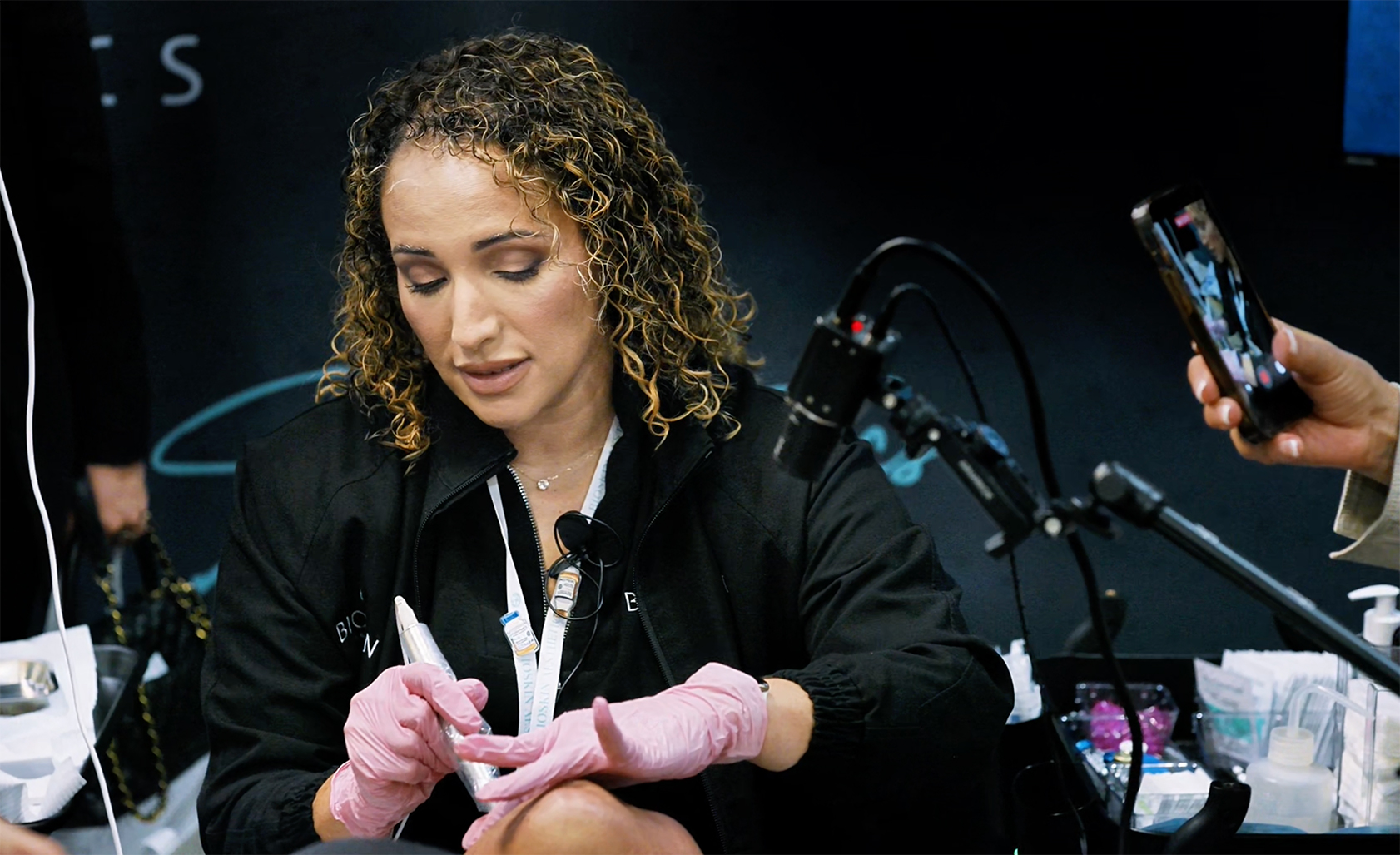
Formulators are also exploring enzymatic and bio-fermented peels, combining botanical enzymes like papain and pumpkin with amino acids, lactic derivatives, and peptides to refine texture without stripping the barrier. At the ICES Skincare Shows, estheticians will find education sessions and live demos focusing on progressive exfoliation systems that integrate acids with postbiotic recovery and peptide infusion therapy for complete skin regeneration.
This shift represents a new mindset in professional skincare: exfoliation as communication rather than aggression—supporting renewal while maintaining the skin’s natural intelligence.
Whether you’re a clinical esthetician exploring exosomal serums or a holistic practitioner embracing adaptogenic skincare, ICES skincare shows remains the destination where innovation meets intention.