The esthetics industry is built on a combination of knowledge, technique, and experience. While textbooks, online courses, and educational videos provide valuable information, there is something uniquely powerful about learning through direct observation, interaction, and hands-on discovery.
For estheticians, education goes beyond understanding ingredients or memorizing treatment protocols. It involves developing the ability to evaluate skin, adapt techniques, communicate with clients, and make informed professional decisions.
That’s where experiential learning becomes especially valuable.
As professional skincare education continues to evolve, in-person experiences offer opportunities to engage with educators, explore techniques, and connect theoretical knowledge with practical application.
What Is Experiential Learning in Esthetics?
Experiential learning is an educational approach that emphasizes learning through experience, observation, reflection, and application.
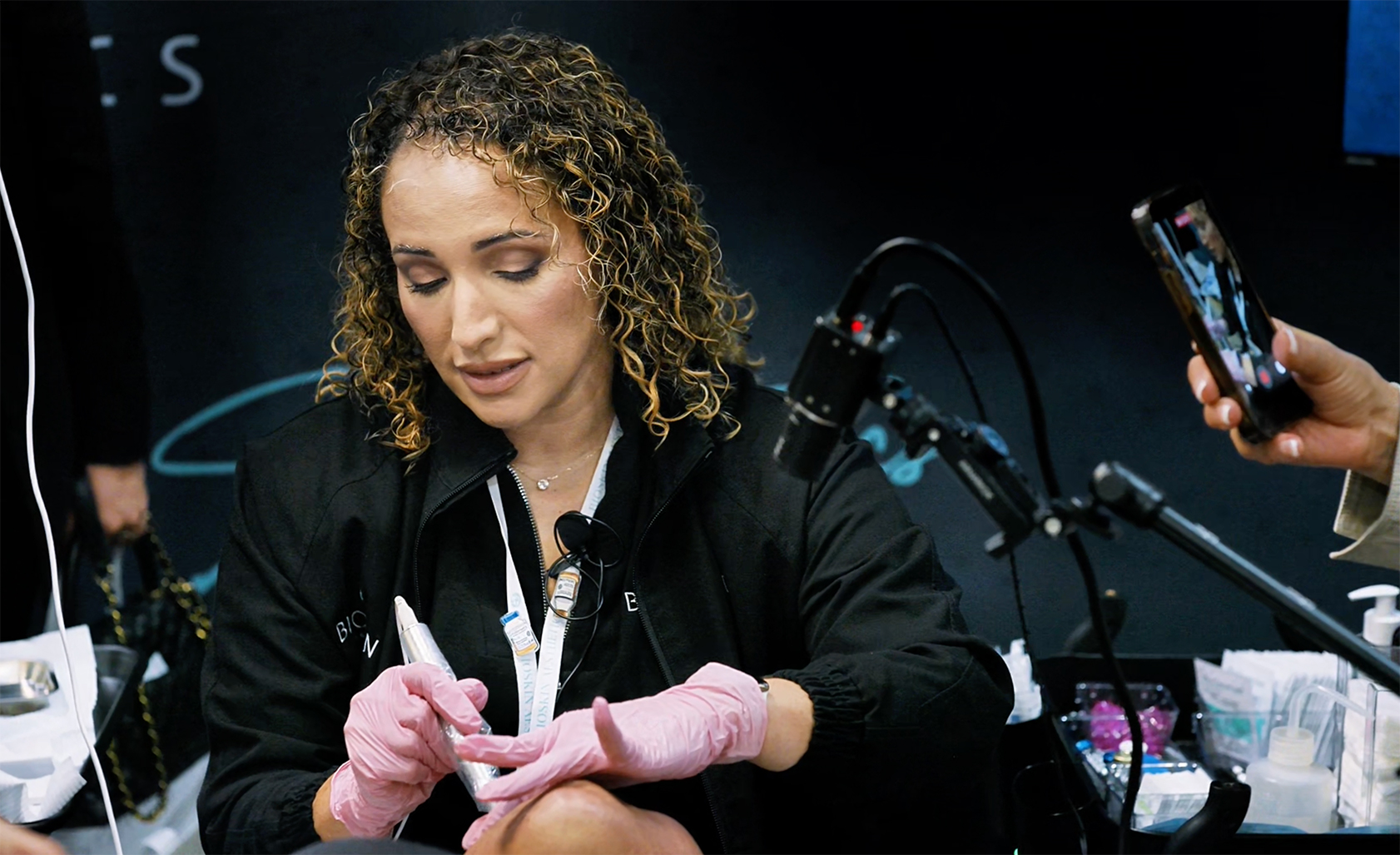
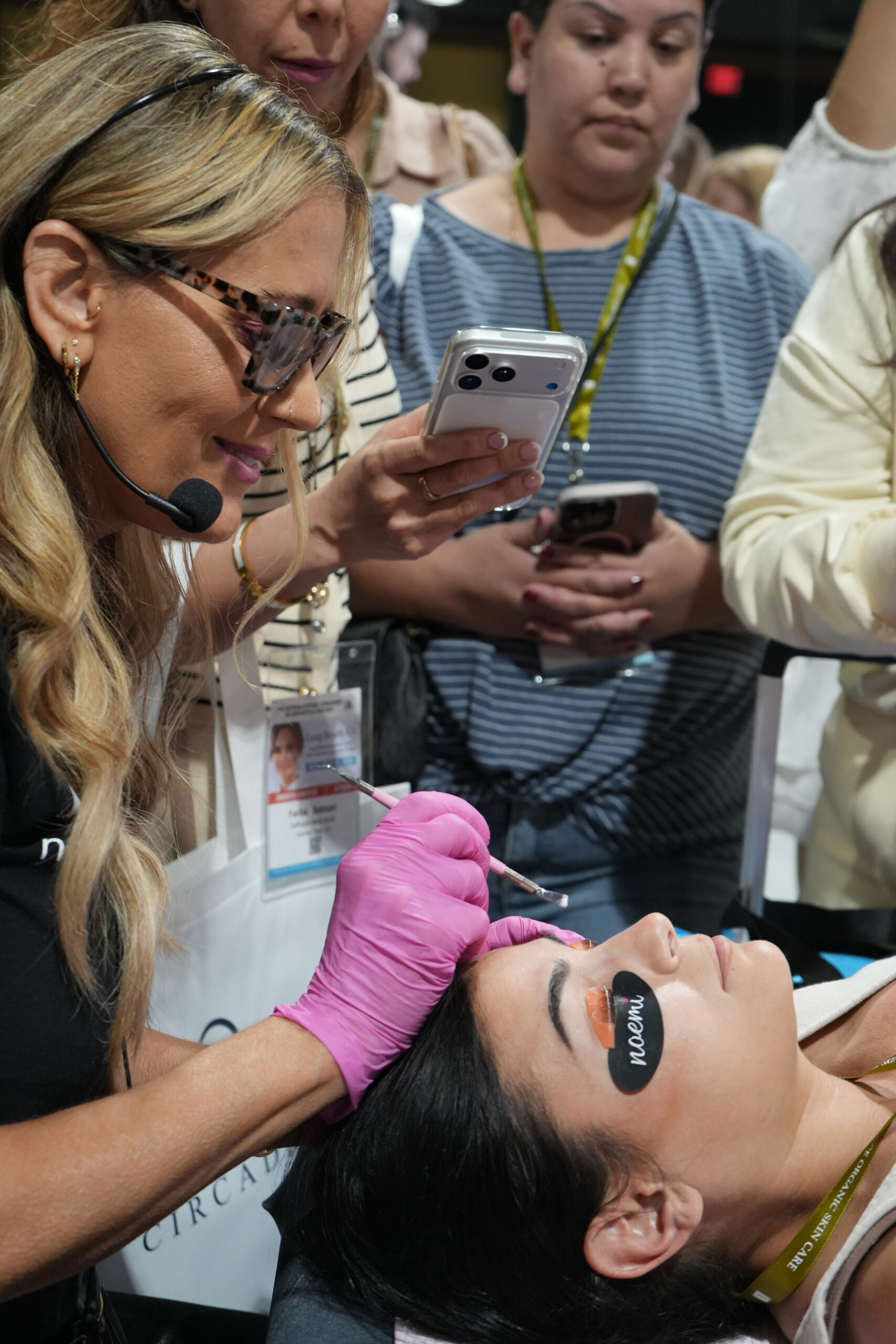
In esthetics, this might involve watching an educator demonstrate a facial massage technique, participating in an interactive workshop, or exploring professional skincare equipment with guidance from a knowledgeable representative.
Rather than simply receiving information, participants actively engage with the learning process.
For example, reading about lymphatic drainage techniques can introduce the principles behind the modality. Watching an experienced educator demonstrate the movements allows estheticians to observe positioning, rhythm, and technique.
Participating in appropriate supervised training can deepen that understanding further.
Each learning method has value, but combining them can create a more comprehensive educational experience.
Why Live Demonstrations Make a Difference
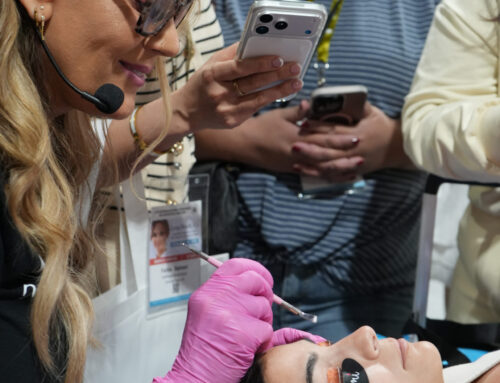
Live demonstrations allow estheticians to observe details that may be difficult to communicate through written instructions or prerecorded videos.
These details can include treatment sequencing, pressure, hand positioning, product application, and the adjustments educators make throughout a protocol.
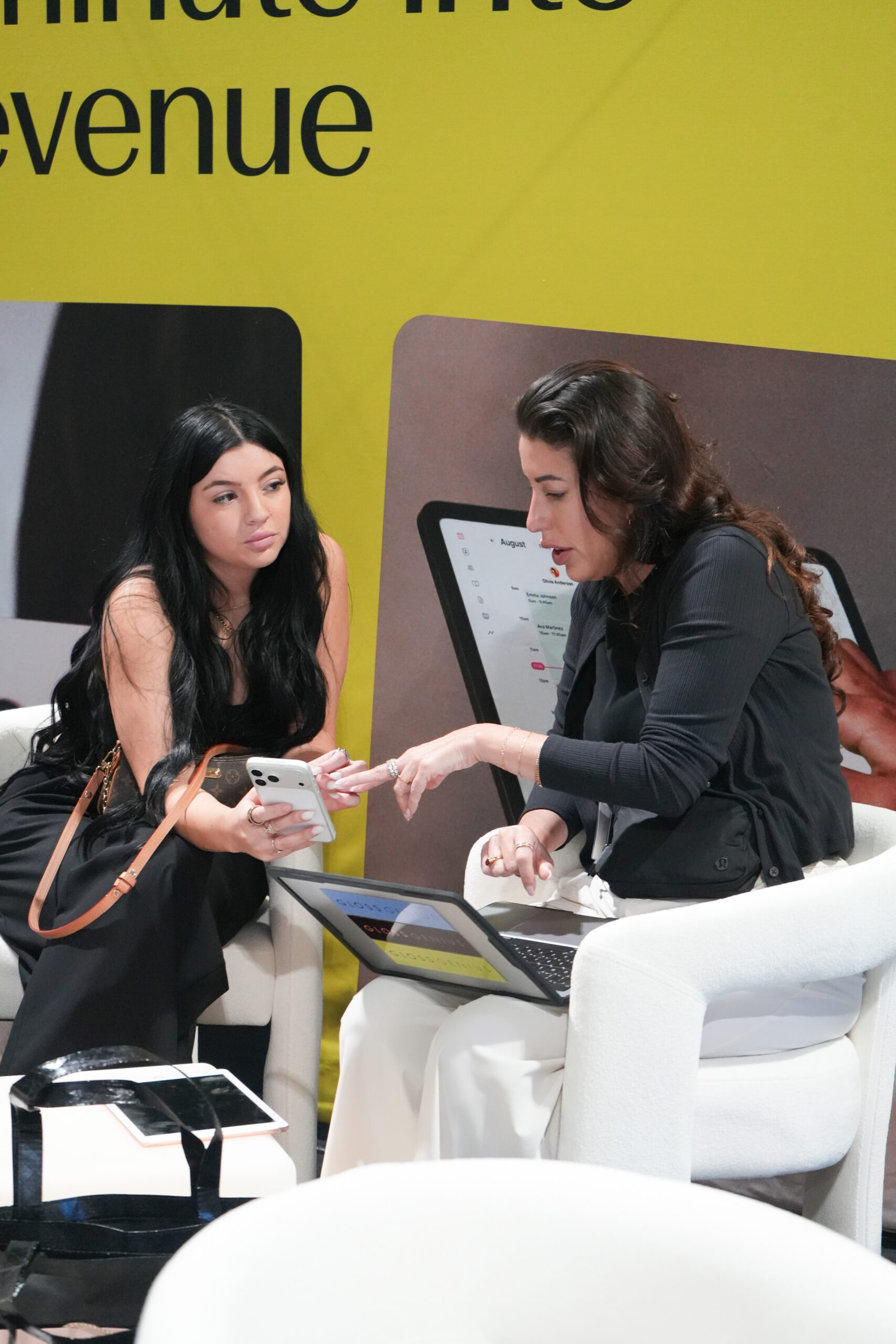
Another advantage is the opportunity to ask questions in real time.
An attendee might ask why an educator selected a particular technique, how a treatment could be adapted for different skin concerns, or what additional training is necessary before introducing a modality into their practice.
These conversations encourage deeper understanding rather than simply memorizing a series of steps.
Live demonstrations also create opportunities for educators to explain their decision-making processes, helping attendees understand not only how a treatment is performed but why certain approaches are selected.
Learning Through the Senses
Esthetics is a sensory profession.
Texture, touch, scent, temperature, and the overall treatment environment can influence how a professional evaluates products and designs client experiences.
This makes in-person learning particularly relevant.
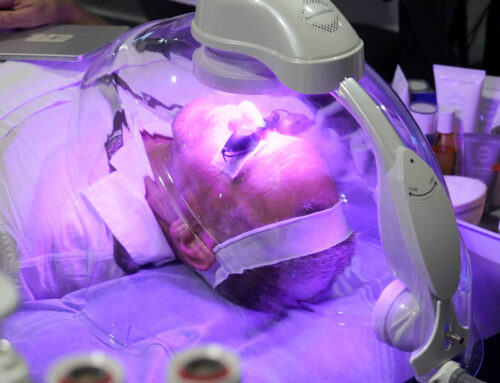
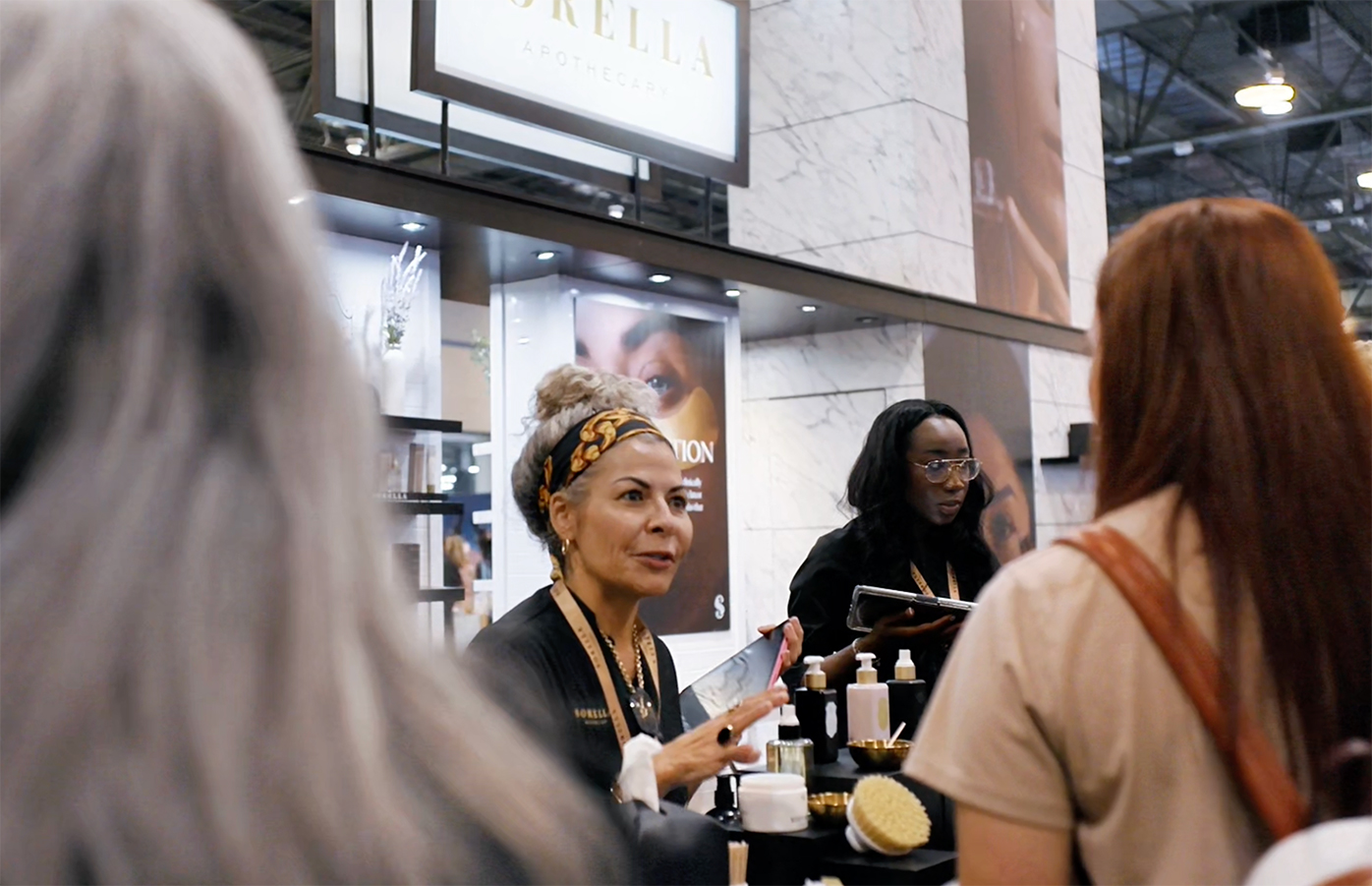
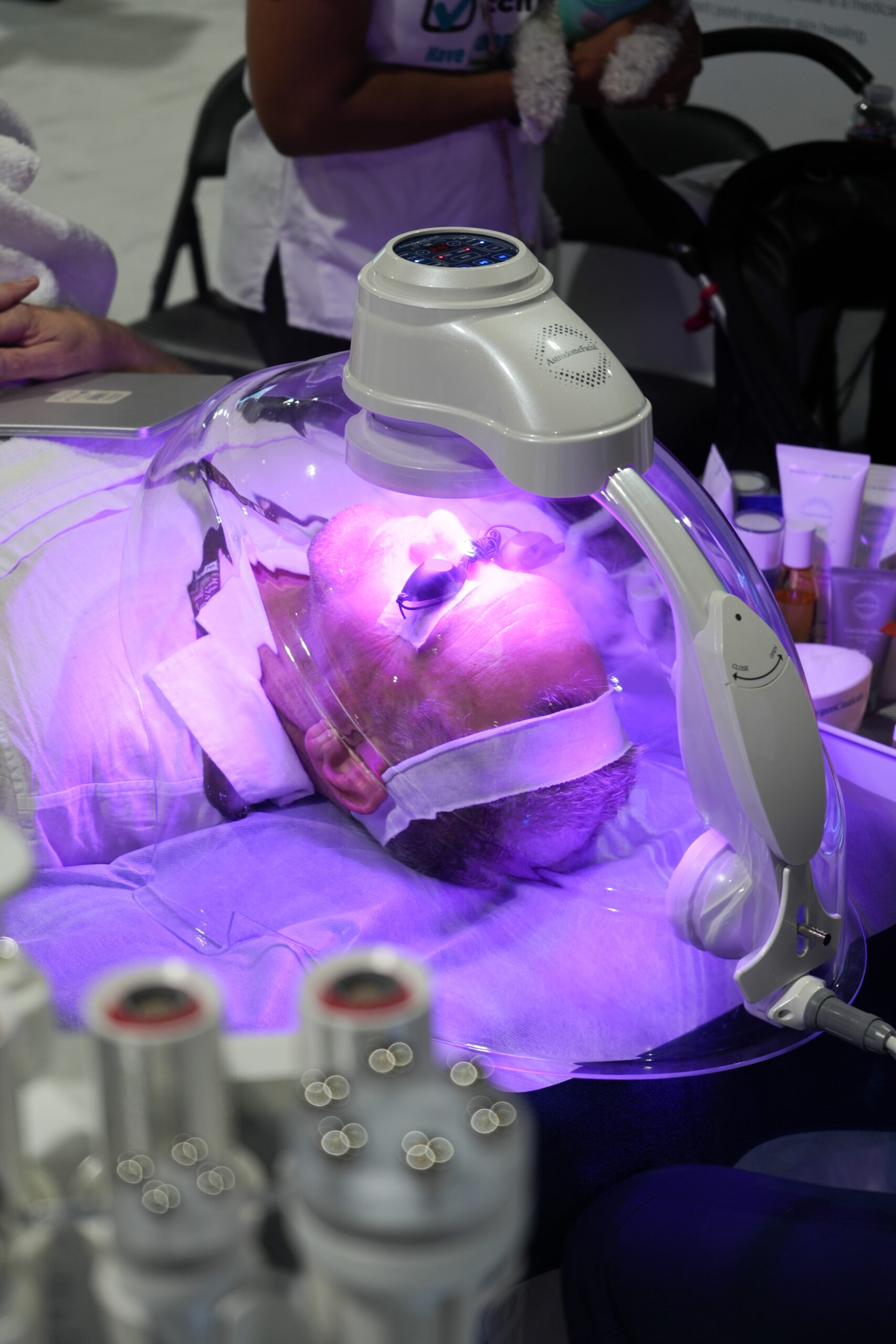
At a professional skincare trade show, estheticians may have opportunities to explore product textures, observe equipment demonstrations, and experience elements of treatment protocols firsthand.
These interactions can provide information that product descriptions alone may not fully communicate.
For example, understanding how a mask spreads across the skin, how a professional device operates, or how a treatment sequence is presented can help an esthetician evaluate whether it aligns with their services.
Experiential education also encourages professionals to consider the client’s perspective.
What does a treatment feel like? How is the experience introduced? What details contribute to comfort and professionalism?
These observations can inspire thoughtful improvements in the treatment room.
The Importance of Asking Questions
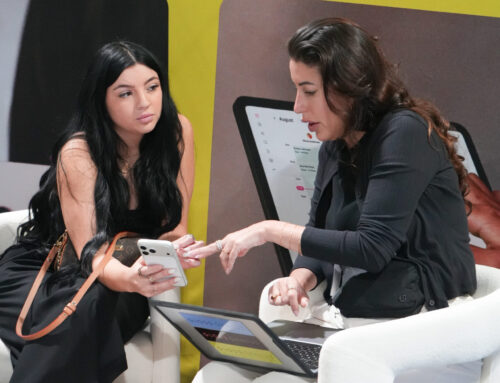
One of the greatest benefits of attending an in-person educational event is direct access to professionals with specialized knowledge.
Educators, brand representatives, and experienced practitioners can provide perspectives that help attendees better understand unfamiliar concepts.
Asking questions also allows estheticians to connect educational material with their individual needs.
A solo esthetician may want to know whether a particular technology is practical for a small treatment room.
A spa owner might be interested in training requirements, staff implementation, or operational considerations.
An experienced practitioner may want to understand how a new technique compares with established approaches.
These questions make education more relevant to real-world practice.
From Observation to Professional Application
Experiential learning is most valuable when it leads to thoughtful action.
After attending a demonstration or educational session, estheticians should consider how the information relates to their existing knowledge, scope of practice, and professional goals.
Not every technique needs to be incorporated immediately.
Some modalities require additional education, certification, supervision, or licensing considerations before they can be performed safely and legally.
Others may simply provide inspiration for improving existing services.
The goal is not to collect as many techniques as possible. It is to develop a deeper understanding of the profession and make informed decisions about continued education.
Experience Education at ICES
The International Congress of Esthetics and Spa (ICES) brings professional skincare education and industry discovery together in an in-person environment.
With events in Dallas, Texas; Long Beach, California; Philadelphia, Pennsylvania; and Fort Lauderdale, Florida, estheticians can choose the show that best fits their location, schedule, and educational interests.
Each ICES destination provides opportunities to explore professional skincare, connect with educators, and discover companies and approaches shaping the industry.
Attendees can review the programming for their selected event and identify educational opportunities that support their professional development.
Whether you’re exploring a new specialty or refining years of experience, being present creates opportunities to learn from perspectives outside your daily routine.
Education Is More Than Information
Professional growth requires more than access to information. It also involves curiosity, reflection, and the willingness to engage with new ideas.
Experiential learning encourages estheticians to participate in their education rather than simply consume it.
A live demonstration may introduce a different approach. A conversation with an educator may clarify a challenging concept. An unexpected discovery may inspire further training.
These experiences can influence how professionals think, learn, and approach their work.
Ready to take your education beyond the classroom? Explore ICES events in Dallas, Long Beach, Philadelphia, and Fort Lauderdale at SkincareShows.com and choose the experience that’s right for you.